
How and Why to Prepare Your Own Vision Board

How and Why to Prepare Your Own Vision Board
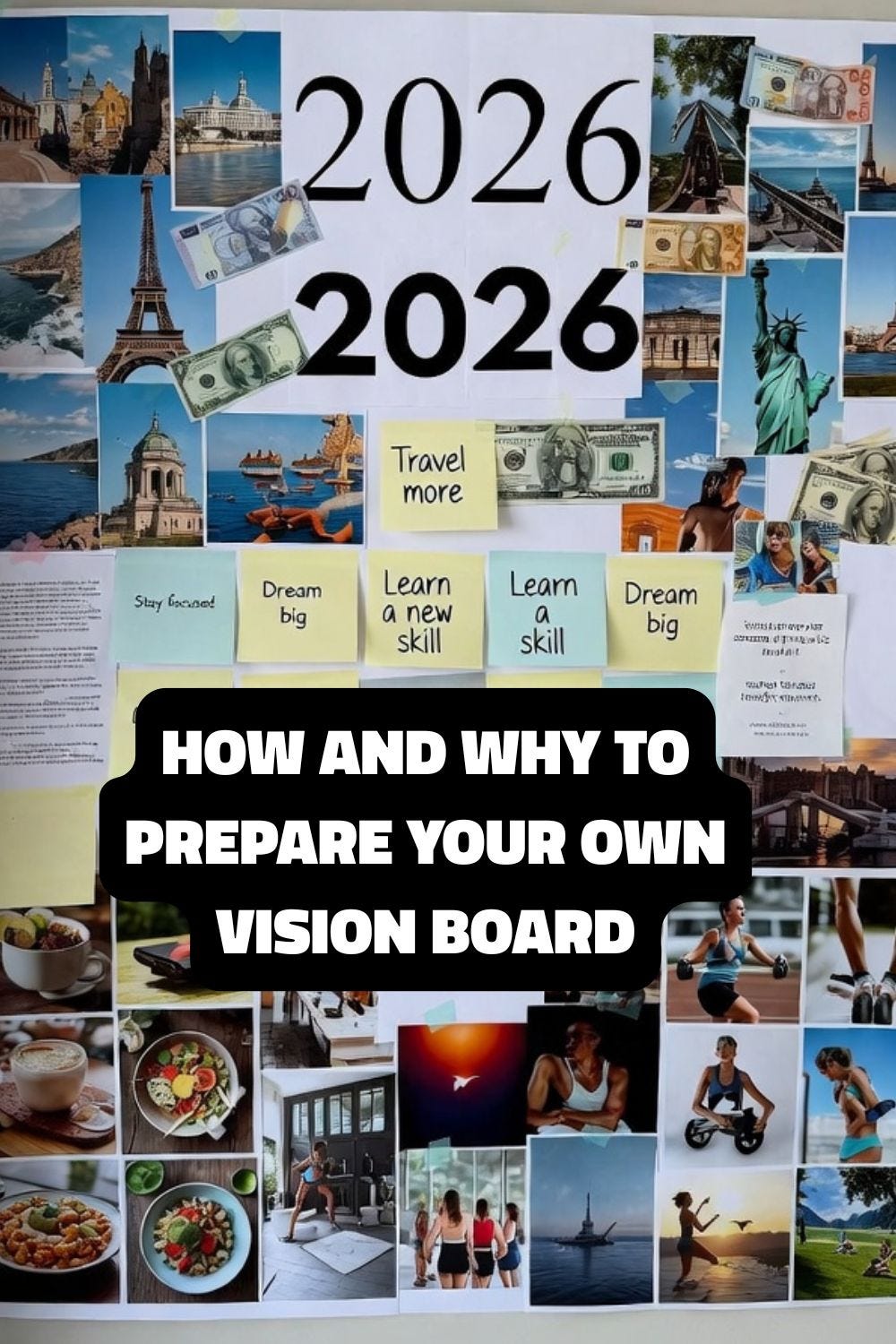
Creating a vision board begins long before you select images. The most important step is reflection. Without clarity, a vision board becomes decoration rather than direction. Before gathering visuals, it is essential to ask deeper questions: What kind of life do I want to live? How do I want my days to feel? What values do I want my goals to serve? These questions anchor the process in intention instead of impulse.
Once reflection is complete, the process becomes tactile and deliberate. Whether physical or digital, choosing images forces prioritization. You begin to notice patterns—recurring themes of freedom, creativity, stability, or impact. A strong vision board does not include everything you want; it includes what matters most right now. This act of selection is what transforms vague ambition into focused commitment.
The reason vision boards work is not because they predict outcomes, but because they shape behavior. Seeing your goals daily influences how you allocate time, energy, and attention. Small decisions begin to align naturally with long-term direction. You may find yourself saying no more easily, choosing differently, or staying consistent when motivation fades. The board quietly reinforces identity before results appear.
Preparing a vision board is also an act of self-respect. It signals that your future deserves attention and care. In a culture obsessed with urgency, taking time to visualize is a form of resistance. You are choosing intention over reaction. The board is not a promise that everything will work out—it is a commitment to move forward with clarity, patience, and purpose.
Ultimately, a vision board is not about the images you place on it, but the relationship you build with your goals. It is a living reminder that progress begins internally, long before it becomes visible externally.