
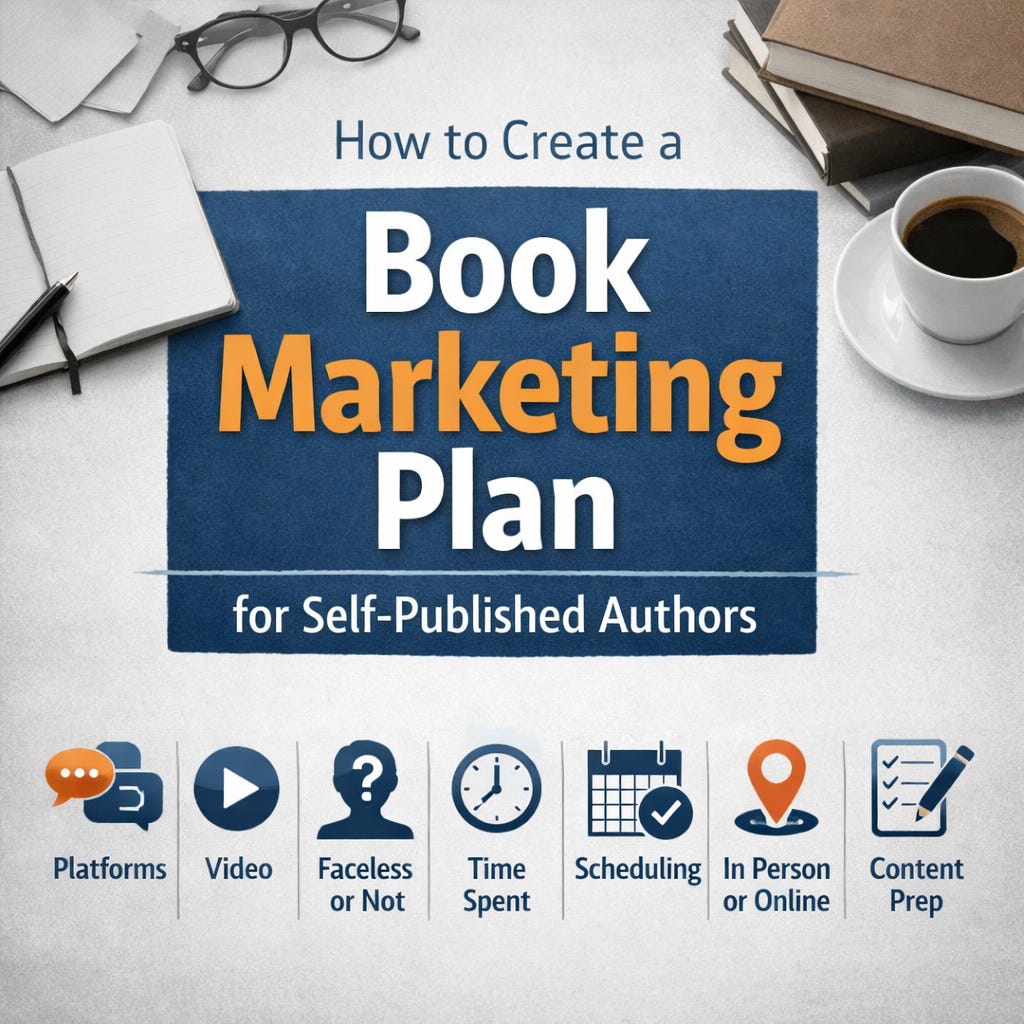
How to Create a Book Marketing Plan for Self-Published Authors

How to Create a Book Marketing Plan for Self-Published Authors
Self-publishing gives authors complete control over their work—but it also means marketing is your responsibility. A clear marketing plan helps you stay consistent, avoid burnout, and actually reach readers. Instead of randomly posting online or trying every platform at once, an effective plan answers a few practical questions: where you’ll promote, how you’ll create content, and how much time you’ll realistically commit.
Below is a structured approach self-published authors can use to design a sustainable book marketing plan.
1. Decide Which Platforms to Use
The biggest mistake many authors make is trying to be active everywhere. A better strategy is to choose a few platforms that match both your audience and your comfort level.
Social Media Options
Common social media platforms for book promotion include:
Instagram – great for visuals, book covers, short videos, and reader engagement
Facebook – useful for author pages, groups, and community discussions
X (Twitter) – good for quick updates, networking, and participating in writing conversations
TikTok (BookTok) – powerful for reaching younger readers and trending book recommendations
Pinterest – ideal for genres like romance, fantasy, and lifestyle-related nonfiction
Blog or Website
A blog or author website is your central marketing hub. It allows you to:
Publish articles related to your book topic
Build an email newsletter
Share updates, events, and book releases
Improve discoverability through search engines
Recommendation:
Start with 1–2 social platforms + a website or blog rather than spreading yourself too thin.
2. Choose Your Video Platforms
Video is one of the most effective ways to connect with readers and grow an audience.
Popular video platforms include:
YouTube – long-form content such as writing advice, book discussions, or behind-the-scenes videos
TikTok – short, highly engaging videos (BookTok is especially influential)
Instagram Reels – quick book promotions and author updates
Facebook video/live streams – good for reader communities
Video Content Ideas
Book trailers
Writing process or “day in the life” videos
Reading excerpts from your book
Q&A sessions with readers
Writing tips or publishing advice
Even short 30-second videos can significantly increase visibility.
3. Faceless Content or On-Camera?
Some authors love being on camera, while others prefer staying behind the scenes. Both approaches can work.
Faceless Content
You can promote books without appearing on camera by using:
Slideshows
Book cover animations
Text overlays
Voiceovers
Stock footage
Screen recordings
This approach works well for introverted authors or those uncomfortable with video.
On-Camera Content
Showing your face can help build a stronger connection with readers. Benefits include:
Increased trust and authenticity
Stronger personal brand
Better engagement on video platforms
Tip: Try a mix—some videos with you speaking and others that are faceless promotional clips.
4. Decide How Much Time You Will Spend Marketing
Marketing can easily consume all your time if you don’t set limits.
Ask yourself:
How many hours per week can you realistically commit?
Do you prefer daily activity or batching content once a week?
Are you balancing marketing with writing new books?
Example Time Commitment
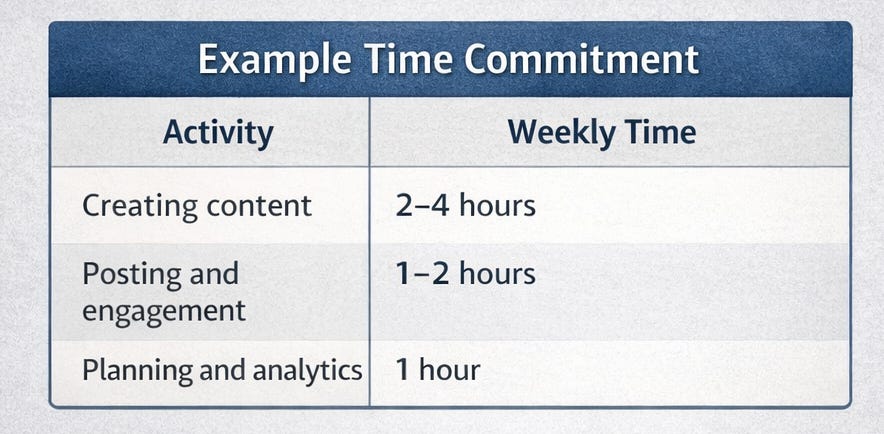
A reasonable starting point for many authors is 4–6 hours per week.
Consistency matters more than volume.
5. Will You Schedule Posts or Post Manually?
Scheduling tools can save significant time.
Benefits of Scheduling
Maintains consistency even on busy days
Allows content batching
Reduces daily workload
Helps maintain a long-term posting calendar
Scheduling Tools
Common scheduling tools include:
Social media scheduling platforms
Website or blog scheduling features
Newsletter automation tools
Example Schedule
Monday: Instagram post
Wednesday: short video
Friday: blog or newsletter
Weekend: reader engagement
Scheduling content weekly or monthly can make marketing far more manageable.
6. In-Person Promotion or Online Only?
Many self-published authors rely solely on online promotion, but in-person marketing can still be very powerful.
Online Marketing
Online promotion includes:
Social media
Email newsletters
Virtual book launches
Online book clubs
Podcasts or guest blogs
In-Person Marketing
Offline promotion opportunities include:
Local bookstores
Library author talks
Writing conferences
Book fairs
Community events
Combining both approaches often produces the best results.
7. Plan the Days and Hours for Content Preparation
A marketing plan should also define when you will create and prepare content.
Instead of creating posts daily, many authors use content batching.
Example Weekly Content Schedule
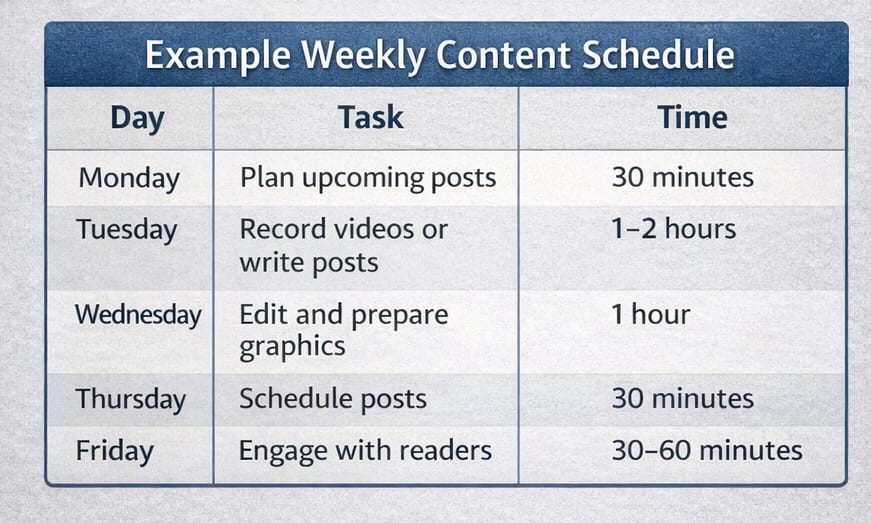
Batching reduces stress and keeps your marketing organized.
Final Thoughts
A successful book marketing plan doesn’t require being everywhere or posting constantly. The most effective strategy is consistent, focused promotion that fits your schedule and personality.
To recap, every self-published author should decide:
Which platforms to use
Which video platforms to prioritize
Whether to create faceless or on-camera content
How much time to dedicate to marketing each week
Whether to schedule posts in advance
Whether to market in person, online, or both
Which days and hours will be used for preparing content
By defining these elements ahead of time, authors can build a marketing routine that supports long-term book sales while still leaving time to do the most important work—writing the next book.
Request a Book Marketing Consultation
Authors who want to improve the visibility of their books can request a Book Marketing Strategy Consultation with Pedroso Publishing Company LLC.
During the consultation we analyze your book, discuss promotion opportunities, and provide practical recommendations for improving discoverability.
If you are ready to develop a clear strategy for promoting your book, you can contact Pedroso Publishing Company using the form below. (15 Minutes Consultation)