
Millionaires and Billionaires Who Used Vision Boards

Millionaires and Billionaires Who Used Vision Boards
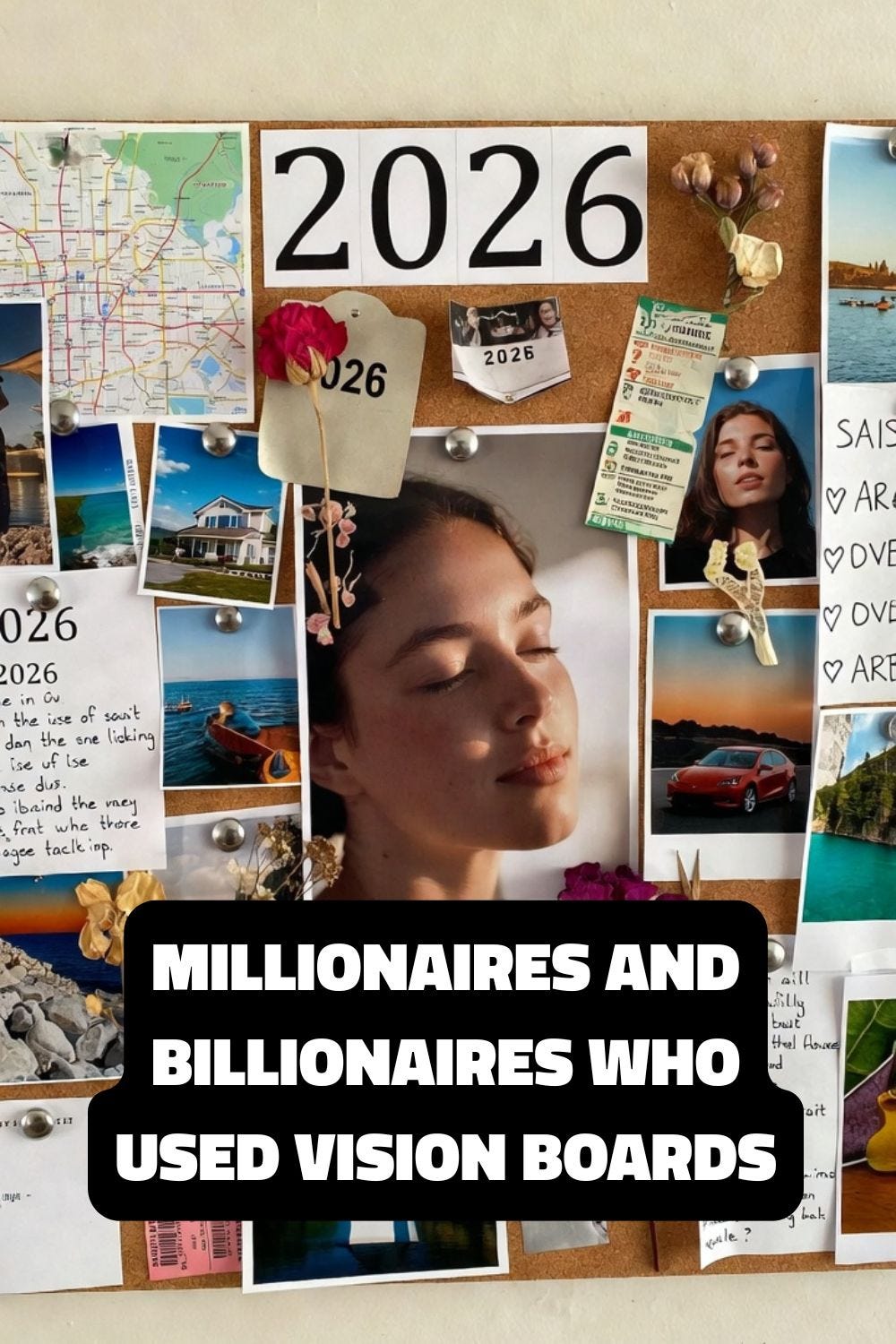
The idea that vision boards are only motivational tools for beginners disappears quickly when you look at how many high achievers rely on visualization. Long before public success, many millionaires and billionaires used visual intention to clarify direction and sustain focus during uncertainty. For them, visualization was not about wishing—it was about conditioning the mind to expect and work toward specific outcomes.
One of the most well-known examples is Oprah Winfrey, who has repeatedly spoken about the role of intention and visualization in her life. Early in her career, long before global recognition, she practiced mentally and visually aligning herself with the life she wanted to build. Her approach was not mystical; it was disciplined. She used clarity as a filter for decisions, opportunities, and boundaries.
Another powerful example comes from Jim Carrey, who famously wrote himself a check for ten million dollars years before earning it. He visualized that outcome repeatedly, not as a fantasy but as a commitment to the level of work and persistence required. That image kept him focused during years of rejection, when external validation was absent.
Entrepreneurs like Sara Blakely have also described using visualization to rehearse success mentally before it became visible in the real world. For founders and business leaders, vision boards often function less as decorative collages and more as strategic alignment tools—reminders of long-term vision when short-term pressures dominate.
What connects these individuals is not luck or superstition, but clarity. Vision boards helped them hold a steady internal picture while navigating unpredictable external realities. At high levels of success, focus becomes fragile. Visualization reinforces direction when distractions multiply, which is precisely why so many top performers quietly rely on it.