
The Future of Vision Boards

The Future of Vision Boards
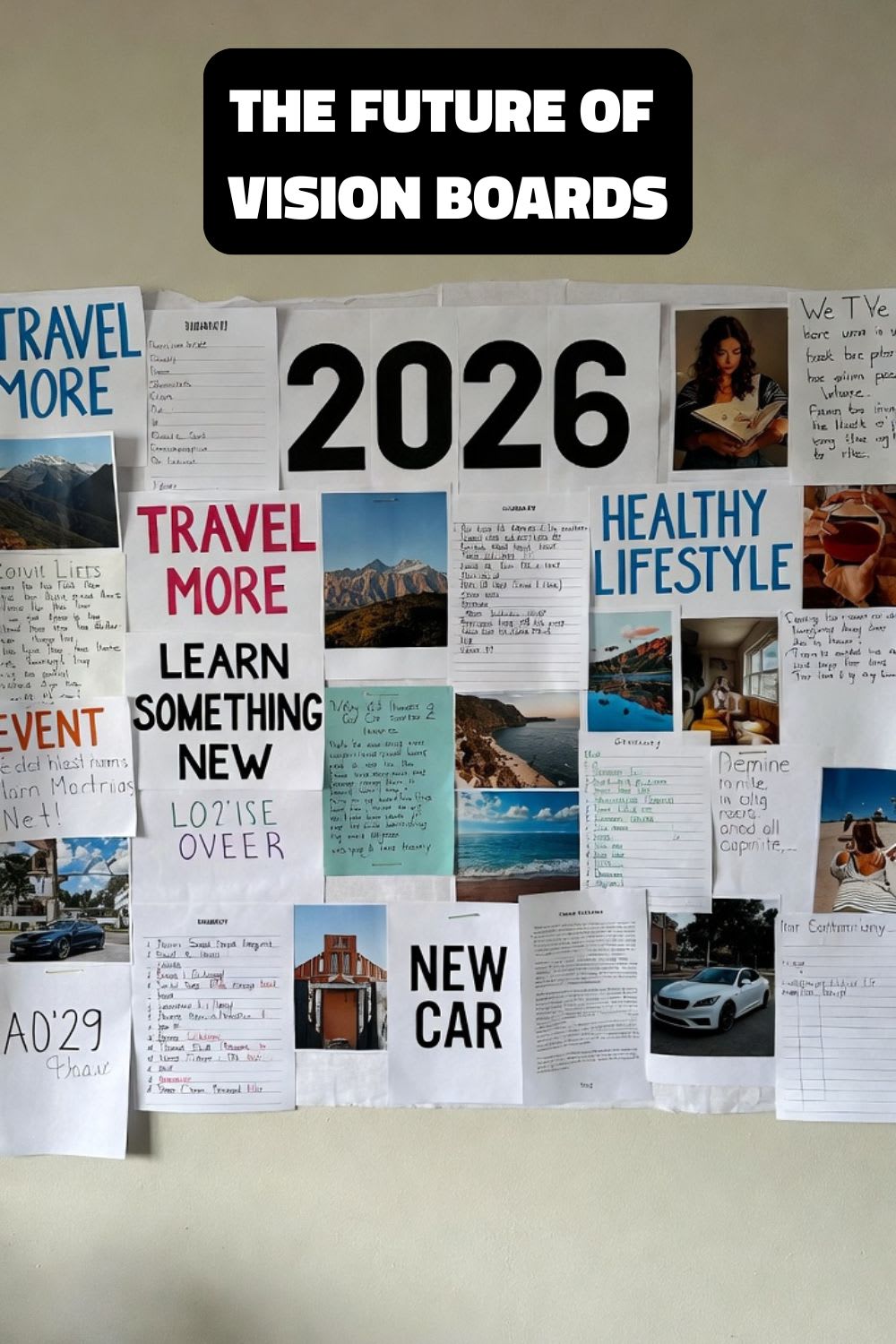
As we move deeper into 2026 and beyond, vision boards are shifting from static inspiration tools into adaptive systems for decision-making. The future of vision boards is not about prettier images or trendier layouts, but about relevance. People are increasingly tired of vague motivation and are looking for tools that help them navigate uncertainty with clarity and intention. Vision boards are evolving to meet that need.
One major change is the move toward shorter cycles. Instead of creating one vision board per year and forgetting it, many people now build quarterly or even monthly boards. These boards reflect evolving priorities, energy levels, and life seasons. This flexibility makes vision boards more honest and practical, allowing people to adjust direction without feeling like they are “failing” at a long-term goal.
Technology is also influencing how vision boards function. Digital boards are becoming interactive, connected to habit trackers, journals, and calendars. Some people now pair their boards with weekly reviews or reflection sessions, turning visualization into an ongoing feedback loop rather than a one-time exercise. The board becomes less about dreaming and more about alignment between intention and action.
Despite these technological shifts, the most important element of the future vision board remains human. No algorithm can decide what matters most to you. The power of a vision board will always come from conscious choice, emotional honesty, and self-awareness. In a world driven by speed and automation, vision boards may become even more valuable precisely because they slow us down and force deliberate thinking.
The future of vision boards is not louder or more complex—it is more intentional. They are becoming tools for clarity in a noisy world, helping people design lives that feel coherent rather than chaotic.