
Vision Boards in 2026
From Ancient Imagination to a Practical Tool for the Future

Vision Boards in 2026: From Ancient Imagination to a Practical Tool for the Future
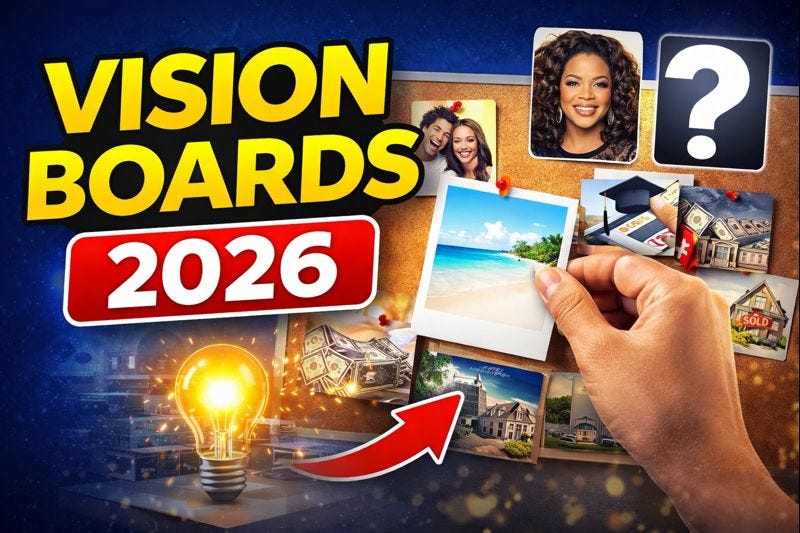
The Origins of the Vision Board
Long before the term “vision board” existed, humans were already visual thinkers. Ancient civilizations used symbols, drawings, and storytelling to imagine futures they wanted to create. From cave paintings that represented successful hunts to religious icons symbolizing hope, protection, and abundance, visualization has always been part of how people made sense of their goals and fears.
In the early 20th century, this instinct took a more structured form through movements like New Thought and later the popularity of visualization techniques in psychology and self-development. Athletes, performers, and entrepreneurs began to consciously imagine outcomes before they happened. What we now call a vision board is simply a modern, tangible extension of that ancient mental practice.
Why People Started Using Vision Boards
People began using vision boards because imagination alone often feels abstract and fleeting. Putting goals into images made them concrete. A board on the wall served as a daily reminder of direction, especially in times of doubt or distraction. It helped bridge the gap between intention and action.
Another reason vision boards spread is emotional clarity. Words can be vague, but images trigger feelings instantly. When people saw a picture representing freedom, success, or peace, they connected emotionally to their goals. That emotional connection increased motivation and consistency, which is why the practice gained traction across cultures and professions.
How Vision Boards Have Evolved Over Time
Originally, vision boards were physical collages made with magazines, scissors, and glue. They lived on bedroom walls or office corkboards. Over time, as technology evolved, so did the format. Digital vision boards appeared, followed by private Pinterest boards, phone wallpapers, and now AI-assisted visualization tools.
By 2026, vision boards are no longer just aesthetic collages. They are integrated with journaling, habit tracking, and even goal-based planning systems. What hasn’t changed is their core purpose: clarifying direction. The evolution hasn’t replaced intention—it has amplified it, making vision boards more personalized and adaptable than ever.
Why Everyone Should Have a Vision Board
A vision board is not about fantasy; it is about focus. In a world overwhelmed by information, attention is the most valuable resource. A vision board helps you decide what deserves that attention. It acts as a filter, reminding you what to say yes to—and what to ignore.
Vision boards also work because the brain responds to repetition and imagery. Seeing your goals daily reinforces identity-based thinking: you don’t just want success, you start seeing yourself as someone moving toward it. This shift in identity subtly changes decisions, habits, and long-term outcomes.
Millionaires and Billionaires Who Used Vision Boards
Many high achievers have openly spoken about visualization and vision boards. Oprah Winfrey has frequently discussed the power of intention and visualization in shaping her career and life. For her, clarity came before opportunity.
Jim Carrey famously wrote himself a check for ten million dollars long before he achieved major success, visualizing it repeatedly. Entrepreneurs like Sara Blakely have also emphasized visualization as part of their mindset. These examples don’t suggest magic—they demonstrate disciplined focus over time.
The Future of Vision Boards
The future of vision boards is less about decoration and more about alignment. In 2026 and beyond, vision boards are becoming living systems rather than static images. They evolve quarterly, align with real metrics, and integrate emotional goals alongside financial or professional ones.
Artificial intelligence and digital tools will likely personalize vision boards based on values, energy levels, and long-term patterns. However, the most important element will remain human: intention. Technology can assist, but it cannot replace clarity about what actually matters to you.
How and Why to Prepare Your Own Vision Board
Preparing a vision board starts with reflection, not images. Before choosing pictures, it’s essential to define what kind of life you want—not just what you want to own. A meaningful vision board focuses on how you want to feel, who you want to become, and what impact you want to make.
The process itself is as important as the result. Selecting images forces you to make decisions. Placing them together reveals priorities and contradictions. A vision board works because it transforms vague desires into visible commitments. You don’t create it to predict the future—you create it to shape your actions starting today.